PCP Balloon Payment Due? How to Re-finance and Keep Your Car
Love your car but have a balloon payment coming up in the next 6 months? You may have more options than you realise.
As your Personal Contract Purchase (PCP) or Hire Purchase with Balloon agreement comes to an end, deciding what to do next can feel a little overwhelming.
Perhaps you're not quite ready to change your car, you want to retain it without using a significant amount of savings, or you simply want to keep driving the car you love whilst maintaining an affordable monthly payment.
At James Murray Finance, we help private individuals and businesses explore car refinancing options through our panel of specialist finance providers.
What happens when your PCP ends?
Typically, when your PCP agreement comes to an end, you have three options:
- Pay the final balloon payment and own the car outright.
- Return the car to the finance provider, subject to the terms, mileage and condition requirements of your agreement.
- Part-exchange the car, potentially using any positive equity towards your next vehicle.
However, if you're happy with your existing car, there is another option to consider: Refinancing your balloon payment.
This involves arranging a new finance agreement to settle the outstanding balance, allowing you to retain the car and spread the cost over an agreed period.
Whether you want to keep the car for another year or two whilst planning your next purchase, or intend to keep it for the foreseeable future, there are different finance structures to explore.

Can you refinance a balloon payment over £25,000?
Many people initially explore an unsecured personal loan, and understandably so. Depending on your credit profile and the amount you need to borrow, personal loans can offer attractive interest rates.
However, borrowing more than £25,000 can limit the number of personal loan options available. A conventional personal loan also doesn't typically allow you to structure your repayments with a final balloon payment.
This is where specialist car finance can offer an alternative.
By using the vehicle as security, lenders may be able to accommodate larger borrowing requirements and different repayment structures, depending on the vehicle's value and your circumstances.
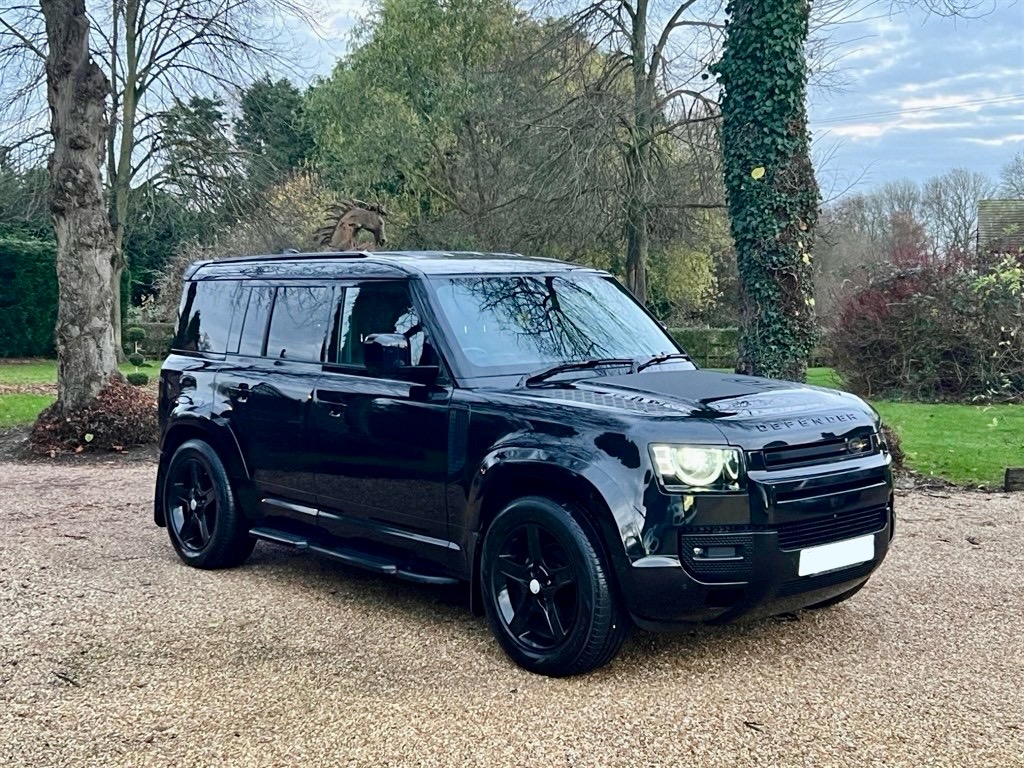
(And don't worry, it doesn't have to be a Lamborghini! This one was financed for a client. It's not mine unfortunately. We arrange finance and refinancing for all sorts of cars)

Can you refinance a car with another balloon payment?
Yes, subject to the vehicle and lender criteria.
If maintaining or reducing your monthly payment is important to you, refinancing through a Hire Purchase agreement with another balloon payment, sometimes referred to as Lease Purchase, could be an option to consider.
As a general guide, these agreements are more readily available for vehicles that are:
- Five years old or newer, although some lenders will consider vehicles aged six years and beyond.
- Under 80,000 miles.
- Of sufficient value to support the proposed finance agreement.
For higher-value vehicles, particularly where borrowing exceeds £50,000, we also work with specialist lenders who may offer greater flexibility around vehicle age.
It's important to understand that these agreements differ from a traditional PCP. They do not typically include a guaranteed future value or the contractual option to return the vehicle instead of paying the balloon.
The final balloon remains payable, even if the vehicle is worth less than anticipated. Lower monthly repayments can also result in higher overall interest costs.
Can you refinance a car financed through your business?
Yes. Refinancing isn't limited to privately owned vehicles.
If your business has a vehicle with an existing Hire Purchase or Lease Purchase agreement approaching its end, there are commercial asset finance options to explore.
Rather than using a significant amount of business cash to settle the balloon payment, refinancing could allow you to spread the cost whilst retaining working capital within the business.
Depending on the vehicle, business circumstances and lender criteria, this could include a new agreement with or without a balloon payment.

How does the car refinancing process work?
At James Murray Finance, we have an ethical approach and aim to make the process straightforward, with a personal point of contact throughout.
Our refinancing options are generally suited to applicants with an established credit history and a broadly positive credit profile, although your credit history doesn't necessarily need to be perfect.
1. Obtain your settlement figure
Request an up-to-date settlement figure from your existing finance provider.
2. Explore your finance options
We'll discuss your vehicle, circumstances and preferred repayment structure before exploring options through our panel of lenders and submitting an application with your agreement.
3. Review and sign your agreement
Once approved, you'll have the opportunity to review the terms, monthly repayments and total cost before proceeding. Documentation can usually be signed electronically.
4. Settle your existing finance
Your existing finance is settled as part of the refinancing transaction, and your new agreement takes its place.
*Timescales vary depending on the lender, credit assessment, documentation and settlement requirements.

What should you consider when refinancing your car finance agreement?
A lower APR or reduced monthly payment doesn't necessarily mean you're saving money.
When refinancing an existing car finance agreement or PCP balloon payment, it's important to consider the total cost of borrowing, not just the interest rate or monthly repayment. Extending the repayment period, introducing another balloon payment or incurring additional fees could mean you pay more interest overall, even if your new agreement has a lower APR.
At James Murray Finance, we can help you compare the remaining cost of your existing finance agreement against the total cost of a proposed refinancing option. Where appropriate, we can also explore different repayment periods, balloon payment structures and early settlement terms.
For some customers, the priority may be reducing monthly expenditure or retaining cash rather than minimising the overall cost of borrowing. There is nothing inherently wrong with that, provided you understand the financial implications.
Our role is to present the available finance options and their associated costs clearly and transparently, allowing you to make an informed decision based on your own circumstances and priorities.
Car finance transfer FAQs


 How James Murray Finance Can Help When Your Car Finance is Ending
